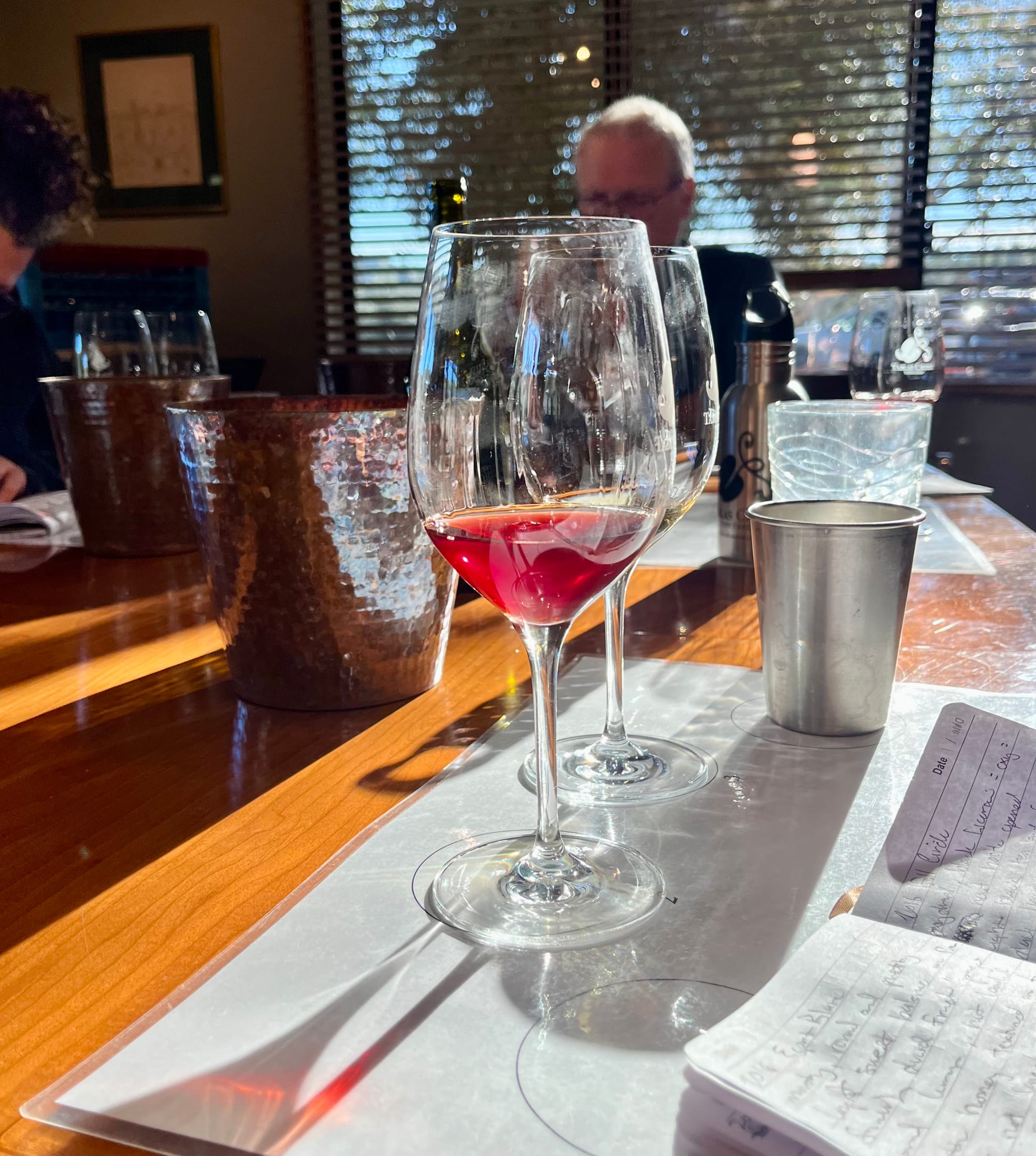
A horizontal retrospective tasting of 2016 shows it's a vintage with something for everyone
We kick off each year with comprehensive tasting of the wines we made ten years ago. In terms of overall quality, we can't remember another vintage that we thought showed as well from beginning to end as these 2016's did.
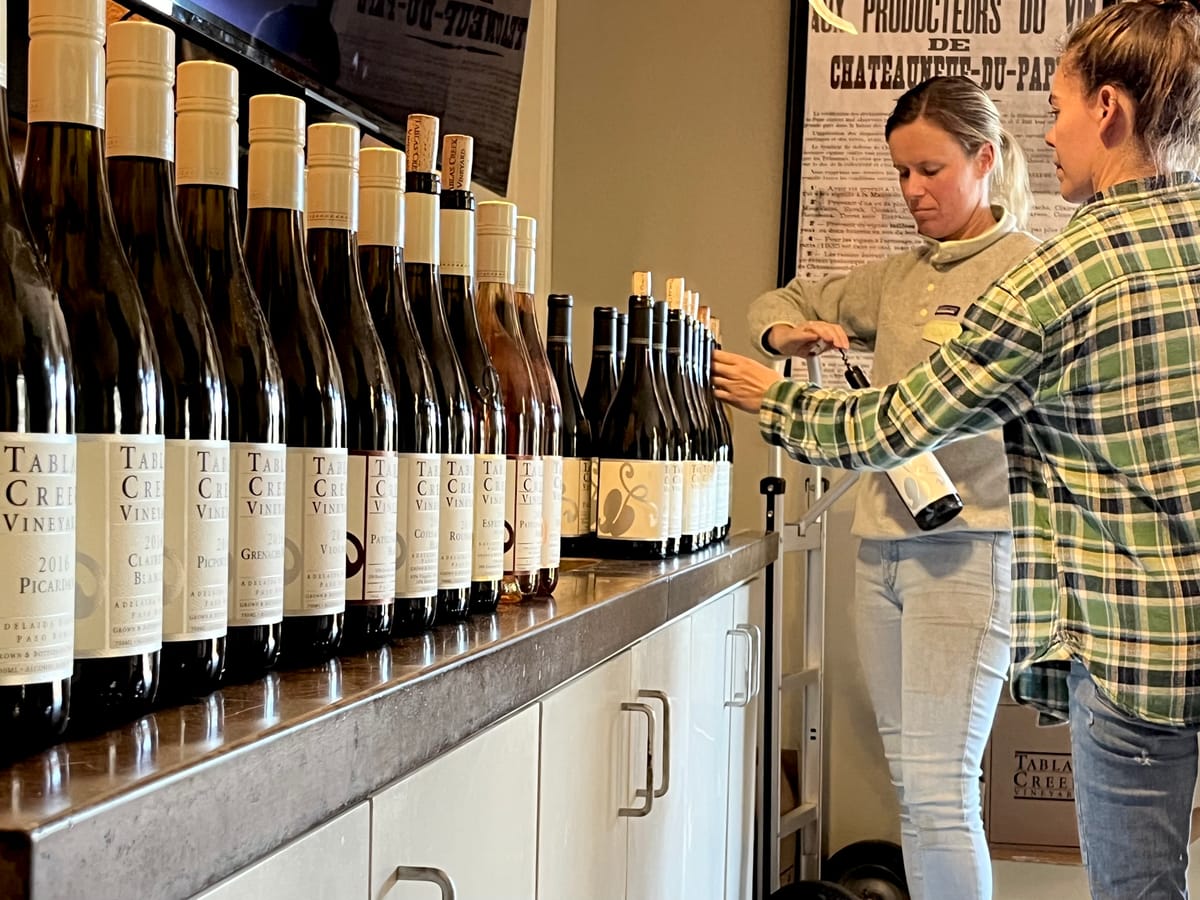
One of the first things we do each year is take a comprehensive look at the wines we made ten years ago. One of the second things we do is share those highlights with our fans at a public tasting (which will this year be February 1st). Why a decade? It's enough time that all the wines have become something that they weren't upon release, without it being such a long horizon that we're worried many will be over the hill. It's also a reasonable enough amount of time that Tablas Creek fans are likely to still have some of this vintage of wines in their cellars. Why horizontal? That refers to a tasting of an array of wines that share a single vintage (as opposed to vertical, which refers to a range of vintages of a single wine).
Hopefully, our notes from this tasting will help people decide which wines they want to open, which they want to keep watching, and how they might want to think differently about what they lay down for aging in the first place. It also is an opportunity to revisit and update our vintage chart.
It's always exciting for us to do this annual check-in. It was particularly exciting because 2016 was the start of what we consider our golden era, when the grapevines had enough age to show their full potential and when we had converted the whole vineyard to biodynamic farming. [I wrote in more detail about these eras in a blog recapping a vertical tasting of our flagship Esprit de Beaucastel & Esprit de Tablas wines last summer.]
2016 was the last year of the five-year drought that defined much of the 2010 decade in Paso Robles. But a bit like the 2024-25 vintage, while the overall rainfall was about 30% below average, when it came was ideal. As we entered March of 2016, we were facing another punishingly dry year, with rainfall sitting at just 50% of normal and our earliest-ever budbreak. But we got more than 6" of rain in March, which saturated the soils and gave the vines the reserves they needed to push through a warm growing season without some of the more serious stress-induced issues that we'd seen the year before. Yields recovered to our long-term averages, an improvement of 46.3% over the painfully low 2015 vintage. That meant that during blending, we were able to make a relatively full collection of varietal wines as well as a higher-than-usual quantity of our flagship Esprit, Esprit Blanc, and Panoplie. And we've always loved the vintage's character. In my Vintage Doppelgangers blog a few years back, here's how I described it:
Even though we were still in the drought, rainfall was improved (and better timed) than the previous years, and the vineyard healthier under our new Biodynamic protocols. Yields recovered to relatively normal levels from 2015's punishingly low totals. A warm summer produced intense wines but with elegance and freshness, excellent whites and reds with dark colors and the structure to age. Similar vintages: 2002, 2006, 2019.
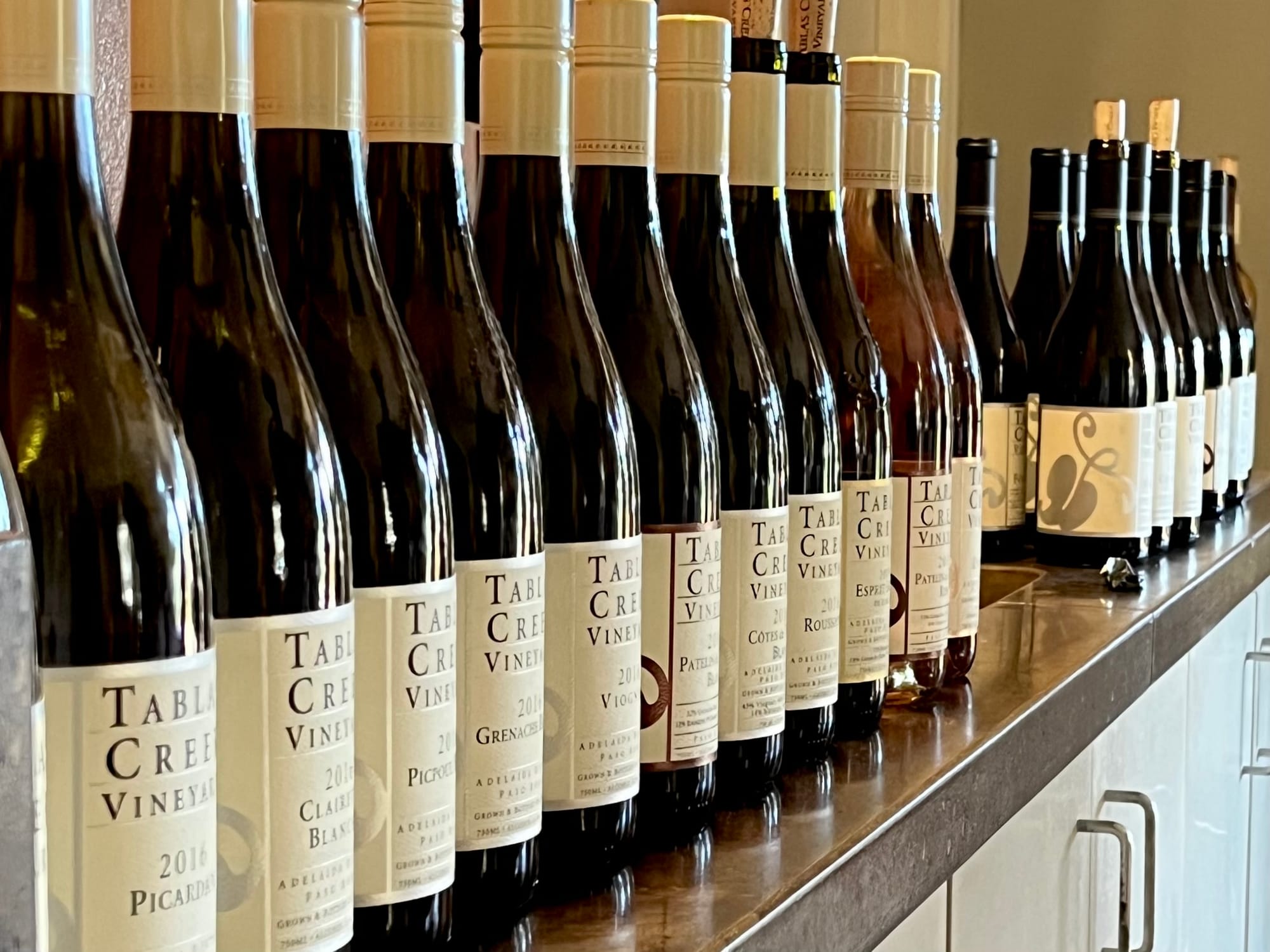
I think it's fair to say that we loved the lineup of 2016's even more that we expected to when we opened them this week. My notes are below. I've noted their closures (SC=screwcap; C=cork) and, for the blends, their varietal breakdown. Each wine is also linked to its technical information on our website, if you'd like to see winemaking details, professional reviews, or our tasting notes at bottling. I was joined for the tasting by most of our production team (Neil Collins, Chelsea Franchi, Craig Hamm, Kaitlyn Glynn, Austin Collins, Erin Mason, and Gustavo Prieto) as well as by DTC Sales Manager Ryan McGuire. The lineup, 24 wines strong:
- 2016 Vermentino (SC): We're often surprised with how well Vermentino – a grape that most people drink young, and is all about freshness and vibrancy – ages. This vintage was no exception. A flinty, reductive nose, slightly clipped by the screwcap closure at first but quickly becoming more expressive of citrus blossom and pith in the glass. The palate showed both verve and richness, with flavors of key lime and citrus leaf, mouth-filling texture, bright acids and a long finish with more citrus and limestoney mineral notes.
- 2016 Clairette Blanche (SC): Our third-ever Clairette Blanche release and our favorite to that point. The wine had expressive aromas of lychee, fresh pear, sweetgrass, papaya, and spicy bay. The palate was gentle but beautifully balanced with flavors of honeydew and wet stone minerality and a lovely balance of texture and acid. Its elegance reminded us of some of what we love about Marsanne in this tasting. There's a clean finish, lightly honeyed, with a chalky mineral note.
- 2016 Picardan (SC): Our first-ever Picardan release was showing very well, I thought. The nose showed pineapple core and lemongrass, briny minerals and a slight nutty note. The palate was beautifully tropical with flavors of mango and fresh pineapple, lively acids, and a pithy grip on the tongue. The finish was rich with flavors of Meyer lemon.
- 2016 Picpoul Blanc (SC): A similarly pineappley nose to the Picardan (they are a member of the same ampelographic family, after all) but it came across as less sweet and a little more pungent. The palate showed finger lime notes, great acids and a luscious texture. The highest acid of the four wines we'd tasted so far, but rich too, and still quite youthful.
- 2016 Grenache Blanc (SC): Very characteristic of Grenache Blanc, with a nose of preserved lemon and broken rock, tarragon and pears. On the palate, quince and baked apple, with additional vanilla bean and baking spice notes that gave the impression of sweetness but in a fully dry wine. The finish turned brighter, with honeycrisp apple notes and lingering spice.
- 2016 Viognier (SC): Not a particularly characteristic Viognier nose, but impressive: wildflower honey and fresh cut grass, with a little dried pineapple. The mouth shows mango fruit leather, quince paste, and a leafy, almost menthol high note. There was also a fattiness to the flavors that reminded us of charcuterie, with people referencing lardo and pork fat. The finish showed more dried tropical fruits and a spicy almost paprika-like note. Fascinating.
- 2016 Patelin de Tablas Blanc (SC; 52% Grenache Blanc, 24% Viognier, 12% Roussanne, 9% Marsanne, 3% Clairette): In a lovely place for a wine that we intended to be long drunk by now and led by two grapes that are not known for ageworthiness. A nose of minty orange over rocky minerality, bracing and clean. The palate showed fruit cocktail, guava, and lanolin notes, lightly salty, and the finish was fresh and bright. If you find one overlooked somewhere, enjoy.
- 2016 Cotes de Tablas Blanc (SC; 43% Viognier, 40% Grenache Blanc, 14% Marsanne, 3% Roussanne): Powerful on the nose, with Grenache Blanc feeling like it was at the forefront at this moment. Aromas of preserved lemon, citronella, and white pepper broaden into a palate with flavors of red apple and lemon oil, candied ginger and salty minerality. Vibrant acids come out on the finish and provide balance to the rich texture.
- 2016 Roussanne (C): A nose of cornbread with honey butter, lanolin, kiwi, and apricot. On the palate, medium-bodied, with cedar and cinnamon notes. The finish has a nice kiss of sweet oak and hearkens back to the nose's wheaty elements, like an apple cider donut in a glass, but dry. Not the showiest of Roussanne bottlings at age 10 but in a nice place.
- 2016 Esprit de Tablas Blanc (C; 75% Roussanne, 18% Grenache Blanc, 7% Picpoul Blanc): Tied for the highest percentage ever of Roussanne in our Esprit Blanc. Both the nose and palate were amazing: aromatic notes of bay, ginger, acacia, and bruised apple. The palate is lovely with flavors of gingersnap, baked pear, and a star anise and golden delicious apple combination that reminded us of mulled apple cider. The finish was long and clean. This was still youthful and light on its feet. Neil called it "seamless" which I thought was spot on.
- 2016 Patelin de Tablas Rosé (SC; 73% Grenache, 17% Mourvedre, 6% Counoise, 4% Syrah): Still a pretty youthful color. The nose showed fruitcake, nutmeg, and dried autumn leaves. The palate was still vibrant with flavors of SweetTarts candy and Haribo grapefruit, complete with a pretty little pithy bite on the finish. No one would have intentionally held it this long, but it's doing well.
- 2016 Dianthus (SC; 49% Mourvedre, 37% Grenache, 14% Counoise): A nose of Campari and strawberry preserves with a green leafy element cutting the richness. The palate is juicy and powerful, like a cherry Jolly Rancher. The mouth-watering finish finishes with an Aperol note. There may be people who have held onto this, and I can't imagine anyone being dissatisfied if they did.
- 2016 Full Circle (C): The Pinot Noir we make from the vineyard my dad planted in the cool-for-Paso Robles Templeton Gap. The warm 2016 vintage does not appear to have made a particularly long-lived Full Circle. Despite the wine's modest 12.7% alcohol, we thought this was lass fresh than the other 2016 reds. The aromas were of black cherry and leather, baker's chocolate and tobacco. The palate showed flavors of potpourri, cherry cola, milk chocolate and black tea, with an incense and Amaro note coming out on the finish. Drink up if you have any.
- 2016 Counoise (SC): Vibrant and fresh on the nose, with purity and an almost alpine note, like wintergreen and brambly raspberry. The mouth was fresh and precise, with red currant fruit, salty minerals, and hibiscus and pomegranate nuances coming out on the finish. A testament to screwcap-aged reds.
- 2016 Grenache (C): A nose of spicy plum and chaparral, new leather and cinnamon. The mouth shows pure plum and redcurrant fruit, star anise, and a little welcome tannic grip. Youthfully chewy still.
- 2016 Mourvedre (C): A lovely comforting nose of sugarplum and black licorice, new leather and sarsaparilla. There's an umami tinge to the palate, with loam and miso notes over currant, with deepening flavors of meat drippings and chaparral on the finish.
- 2016 Tannat (C): An exuberant nose of minty dark chocolate, black cherry, and black licorice. The mouth was quite lovely: cassis and salty black raspberry, with a crushed stone minerality and Tannat's signature refreshing acidity providing relief to the mouthful of fruit and tannin. We all thought it wanted cassoulet, and at this point in the tasting, so did we.
- 2016 Patelin de Tablas (SC; 52% Syrah, 31% Grenache, 11% Counoise, 6% Mourvedre, 4% Counoise): This was a gratifying pleasure for all of us. The nose showed black pepper over an even balance of red and black fruit, with complicating notes of beef tallow and spicy sage. The mouth is both pretty and substantial, with red plum and peppered steak notes. We try to have an affordable aged wine routinely available on our website, and this happens to be the one at the moment. If you'd like to try a 10-year-old Tablas Creek, it's available online for just $38 and should provide substantial pleasure.
- 2016 Cotes de Tablas (C; 55% Grenache, 25% Syrah, 13% Mourvedre, 7% Counoise): A spicy nose of red pie cherry, sun-dried grass, and wild herbs. The palate is delicious, light on its feet but persistent with red fruit, fine grenache tannins the texture of powdered sugar, and a finish with both red and black licorice nuances. These 10-year retrospectives show time and again that at 10 years, the Cotes red is usually singing.
- 2016 En Gobelet (C; 39% Mourvedre, 30% Grenache, 20% Syrah, 8% Counoise, 3% Tannat): A deep Mourvedre-inflected nose of elderberry and teriyaki, tobacco and bay. The palate shows blackberry and wood smoke, licorice and crunchy tannins. Long and warming and gorgeous.
- 2016 Le Complice (C; 59% Syrah, 20% Grenache, 19% Terret Noir, 2% Roussanne): This was our first-ever Le Complice, which we made to show the kinship between Syrah (particularly those lots fermented whole-cluster) and the herby, pale Terret Noir grape. While in its youth this wine showed enough herby grip that it could come across as astringent, that had resolved and the wine, on this showing, was remarkable. Deep and black on the nose, with aromas of soy, black pepper and iron over black licorice and mint. The palate was medium-to-full-bodied, with notes of licorice root, pink peppercorn, sweet pipe tobacco, and black raspberry. The tannins are substantial but incredibly fine, like powdered sugar. In a remarkable place right now.
- 2016 Esprit de Tablas (C; 56% Mourvedre, 31% Syrah, 18% Grenache, 5% Counoise): A deep umami nose, immediately evocative of Esprit, of marinating meat, pepper, and plum skin. The palate was powerful but delineated with flavors of dark red plum, baking spices, bresaola, and clove. The tannins are still powerful but fine, and the wine felt to all of us that while it's in a gorgeous place, another two decades of rewarding evolution lay ahead.
- 2016 Panoplie (C; 66% Mourvedre, 25% Syrah, 9% Grenache): An appealing nose of plum compote, bay, licorice, teriyaki, and chocolate truffle. The mouth showed flavors of fig paste, plum skin, chalky tannins and salty minerals. Also, like the Esprit, a wine that will be amazing if you open it now without in any way compromising its future longevity.
- 2016 Petit Manseng (C): Although we no longer grow this classic southwest French grape known for maintaining great acids as it reaches high sugar levels, it's fun to look back at an example. The 2016 was in a nice place, sweet but bracing, with aromas of kiwi, baked apple, kettle corn, and feijoa. The mouth is sweet but taut with flavors of pineapple upside-down cake, peach ring, and a pithy bite on the finish.
A few concluding thoughts
As we talked through the tasting, we came to the conclusion that these 2016 wines offered something for everyone. They packed plenty of fruit but also lots of non-fruit elements: spice, brambly wildness, and minerality. All the wines, from whites to reds and even rosés, showed admirable freshness and lovely balance. Neil kept calling them "seamless", which I thought spot on. Other comments were things like "elegant power", "remarkably youthful", and "warm and giving with no sense of heaviness". In terms of overall quality, we couldn't remember another retrospective tasting that we thought showed so well from beginning to end.
The more time I spend looking back at our wines, the more I think that I can taste the impacts of biodynamic and regenerative farming. There's a combination of purity and intensity I feel like I can taste from biodynamic vineyards, and that character comes through clearly to me in these 2016 wines. After all, that was the year we completed the biodynamic conversion we'd started in 2010 and had built up our flock of sheep to allow them to get to every block.
Each year we do this we remark on the quality of the screwcap-finished wines. People don't think of aging wines under screwcap, but our experience has been that as long as the wine isn't too tannic or too ripe to start, it's a great choice. I would recommend that anyone opening an older screwcapped white give it a quick decant. There's a clipped character that some older screwcapped wines have that dissipates with a few minutes of air. This will happen anyway in the glass, but a decant speeds the process. But the freshness and purity on the palate is more than enough reward.
I asked everyone around the table to pick nine favorites, and 18 of the 24 wines received at least one vote. Three wines (Esprit de Tablas Blanc, Cotes de Tablas, and En Gobelet) were unanimous selections. We ended up picking nine wines to share at our public retrospective tasting on February 1st. If you'd like to join us, we'll be tasting Clairette Blanche, Esprit de Tablas Blanc, Counoise, Mourvedre, Cotes de Tablas, Esprit de Tablas, En Gobelet, Le Complice, and Panoplie. There are still some spots left at the tasting, and we'd love you to join us.